
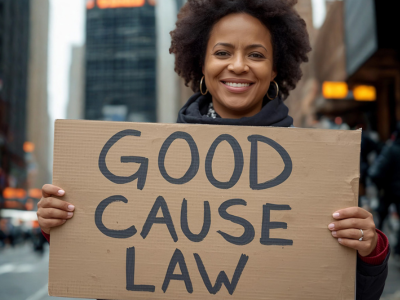
Good Cause Eviction legislation, passed in New York City on April 20, 2024, requires landlords to show a valid reason before evicting tenants.
There are several “good cause” reasons, but broadly speaking, they fall into one of two categories:
- Actions by the tenant that violate the law or conditions of the lease or,
- Actions by the landlord that will lead to the home no longer being available for residence
Some (but not all) examples of “good cause” reasons include: the tenant has failed to pay rent, the tenant has damaged the apartment, the landlord plans to demolish the home, or the City has issued a vacate order. In all cases, the landlord must present clear and compelling evidence of the reason for eviction.
All the applicable reasons for Good Cause Eviction, as well as much more information, can be found here and here.
Building on this overview, today on the blog, we’ll answer FAQs and provide a brief explainer of the Good Cause Law and discuss some of the larger context for Good Cause Eviction in NYC.
What are the arguments for and against the Good Cause law’s efficacy?
Pros
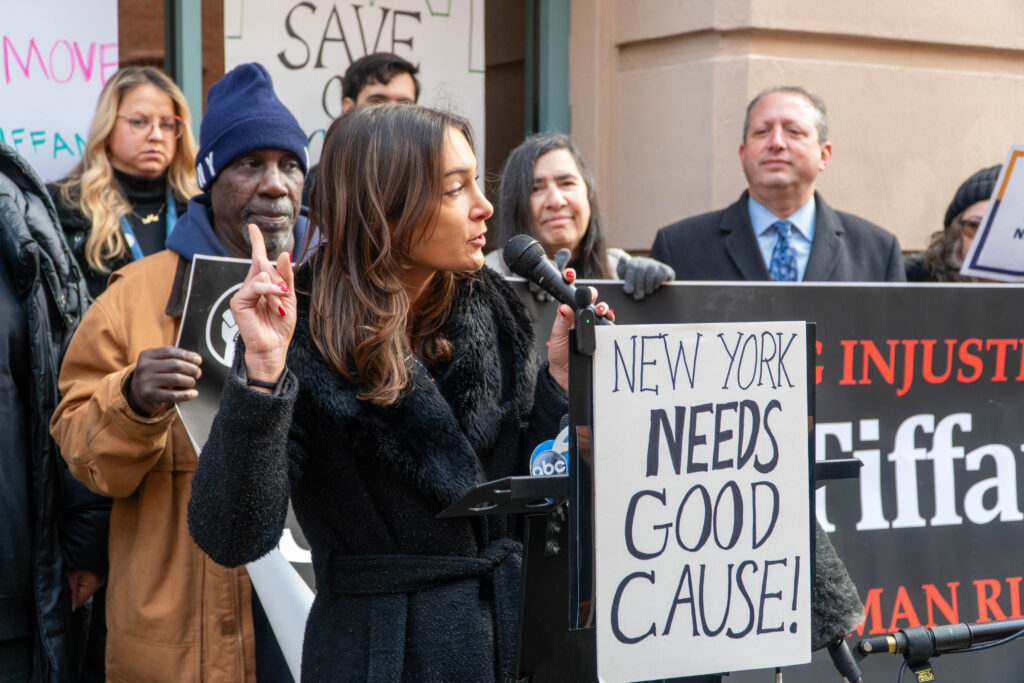
Tenant rights groups had been organizing for years in support of a Good Cause law. One reason is that NYC has historically low rates of vacancy in rental units. Arguments in favor of the law note the extremely detrimental impacts upon families who experience eviction, which HousingPlus has seen up close throughout our two-plus decades of work with families experiencing homelessness. Advocates also note that Good Cause reduces the likelihood that landlords will use prohibitively high rent increases to, in effect, evict unwanted tenants without needing to go through the court process.
Cons
Those who are concerned about the law’s impact mention that it could result in landlords performing more in-depth screening of tenants initially, making it harder for tenants to get approved for an apartment. Additional concerns are that Good Cause Eviction laws will make building new housing less attractive, as they limit the total rent increase landlords can impose, and thus will lead to less overall housing being built. There are differing studies arguing about the impact that Good Cause Eviction would have on housing investment, and these are two on opposing sides that we at HousingPlus found interesting: “The Good Case for ‘Good Cause’” and “Balancing Act: Navigating the Tradeoffs of Good Cause Eviction Legislation.”
Lightning Round: Frequently Asked Questions
What is considered an “unreasonable” rent increase?
The highest rent increase allowed is 10%. For example, if you pay $2000 for a 1-bedroom, the landlord can raise your rent a maximum of $200. Usually, the highest allowed rent increase is lower than 10%, because it is typically 5% plus the rate of inflation, which is currently 8.79%. In the event that inflation is higher than 5% the lower 10% rate will be used.
Are all landlords subject to the law?
Some types of buildings are exempt from the law, including:
- some newly constructed buildings (for a limited period),
- co-ops,
- condos,
- sublets, and
- small owner-occupied properties.
Learn more about landlord exemptions.
How can I know if my building is subject to Good Cause Eviction protections?
You can look up your exact address here https://goodcausenyc.org/en/ brought to you by JustFix and Housing Justice for All.